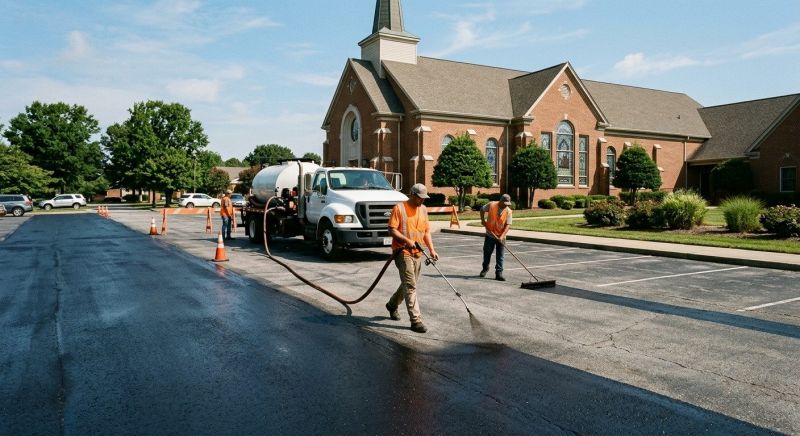
Church Parking Lot Sealcoating in Denver, CO
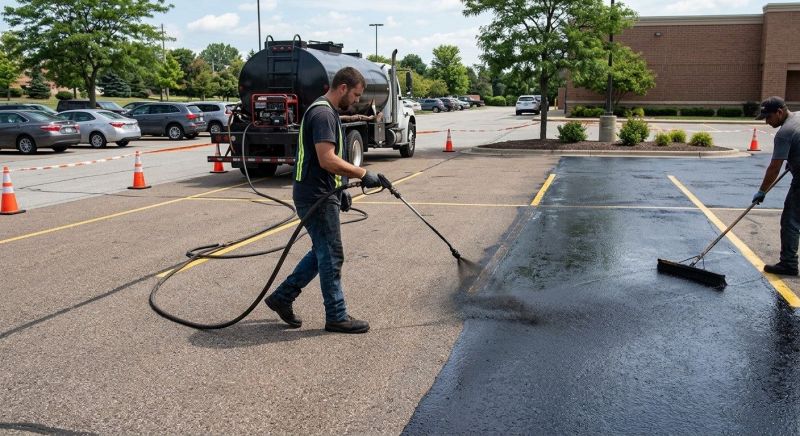
Church parking lot sealcoating services involve applying a protective asphalt coating to preserve and extend the lifespan of parking surfaces. This service is suitable for a variety of projects, including large church parking lots, driveways, and other paved areas that experience frequent vehicle traffic. Property owners typically seek sealcoating to protect their asphalt from damage caused by weather, UV rays, and oil spills, helping to prevent cracks, potholes, and surface deterioration over time.
Before requesting sealcoating services, property owners usually want to understand the current condition of their asphalt surface, including any existing cracks or damage that may need repair prior to sealing. It’s also important to consider the timing of the project, as sealcoating is most effective when the asphalt is clean, dry, and free of debris. Proper surface preparation and choosing the right type of sealant are key factors in achieving a durable, long-lasting finish.
Many property owners in Denver, CO look into Church Parking Lot Sealcoating for repairs, replacements, upgrades, and appearance-related improvements.
Benefits Of Sealcoating For Church Parking Lots
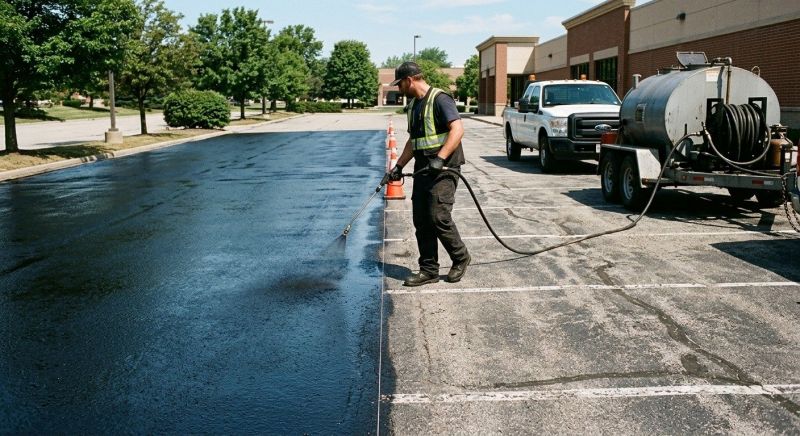
Sealcoating helps protect asphalt surfaces from weather damage and extends their lifespan.
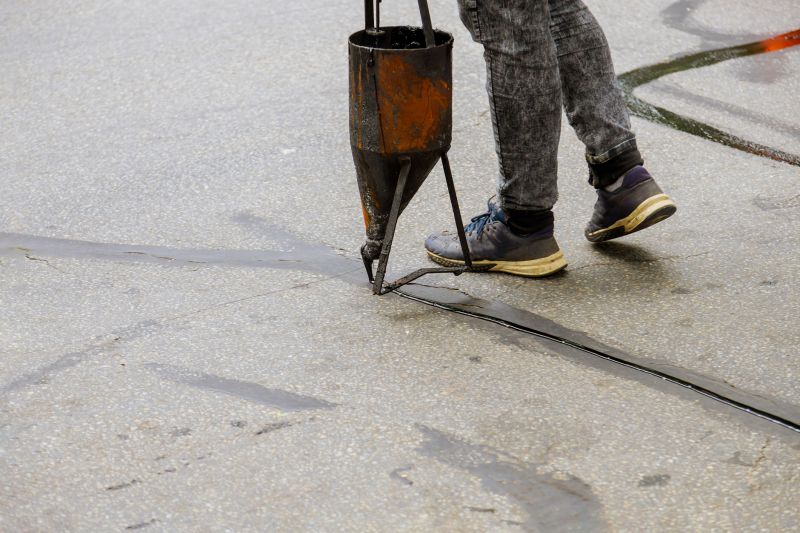
Common Sealcoating Projects In Denver
Many churches in denver seek sealcoating to maintain a safe and professional appearance for visitors.
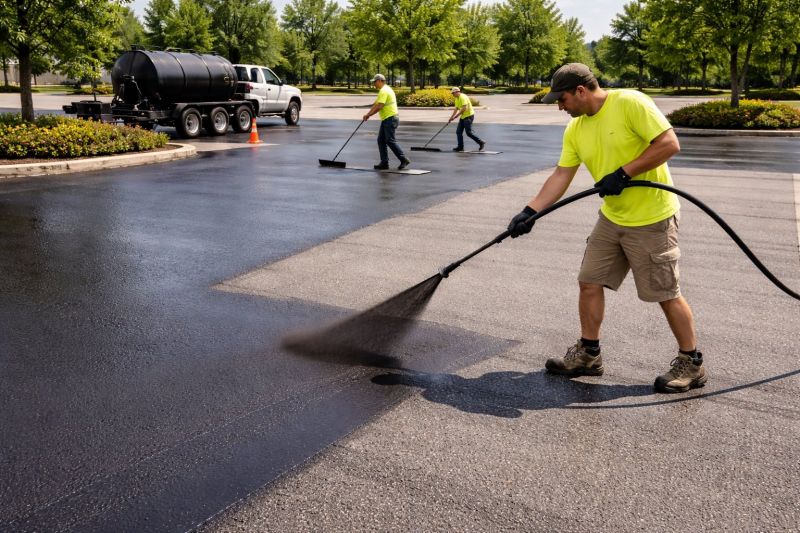
Maintaining A Safe Parking Area
Regular sealcoating reduces cracks and potholes, ensuring smooth and safe parking for all users.
Church Parking Lot Sealcoating in Denver, CO
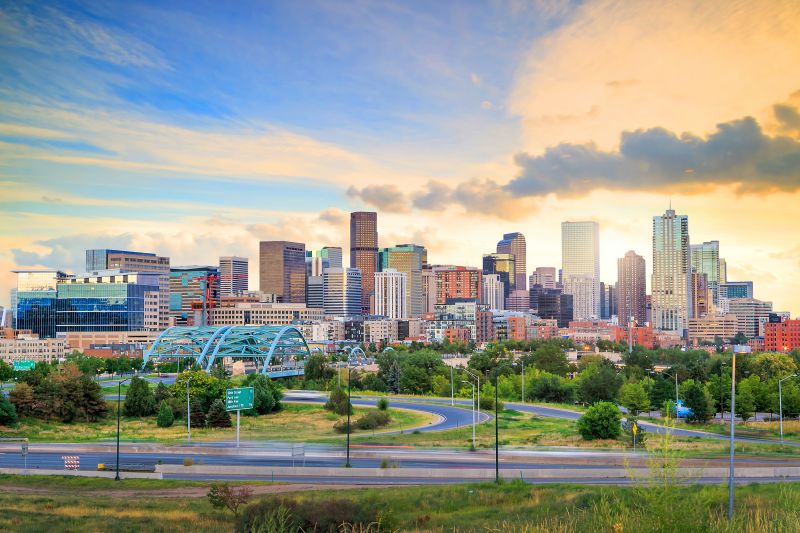
Church parking lot sealcoating services involve applying a protective asphalt coating to preserve and extend the lifespan of parking surfaces. This service is suitable for a variety of projects, including large church parking lots, driveways, and other paved areas that experience frequent vehicle traffic. Property owners typically seek sealcoating to protect their asphalt from damage caused by weather, UV rays, and oil spills, helping to prevent cracks, potholes, and surface deterioration over time.
Before requesting sealcoating services, property owners usually want to understand the current condition of their asphalt surface, including any existing cracks or damage that may need repair prior to sealing. It’s also important to consider the timing of the project, as sealcoating is most effective when the asphalt is clean, dry, and free of debris. Proper surface preparation and choosing the right type of sealant are key factors in achieving a durable, long-lasting finish.
Many property owners in Denver, CO look into Church Parking Lot Sealcoating for repairs, replacements, upgrades, and appearance-related improvements.
Common Church Parking Lot Sealcoating Jobs
Parking Lot Sealcoating - Protects asphalt surfaces from weather damage and wear.
Crack Filling - Prevents water infiltration and extends the lifespan of the lot.
Surface Repair - Addresses potholes and surface cracks for a smooth, safe parking area.
Line Striping - Enhances parking organization and safety with clear markings.
Surface Cleaning - Removes debris and stains to maintain a clean, professional appearance.
Sealcoat Maintenance - Preserves asphalt integrity and appearance over time.
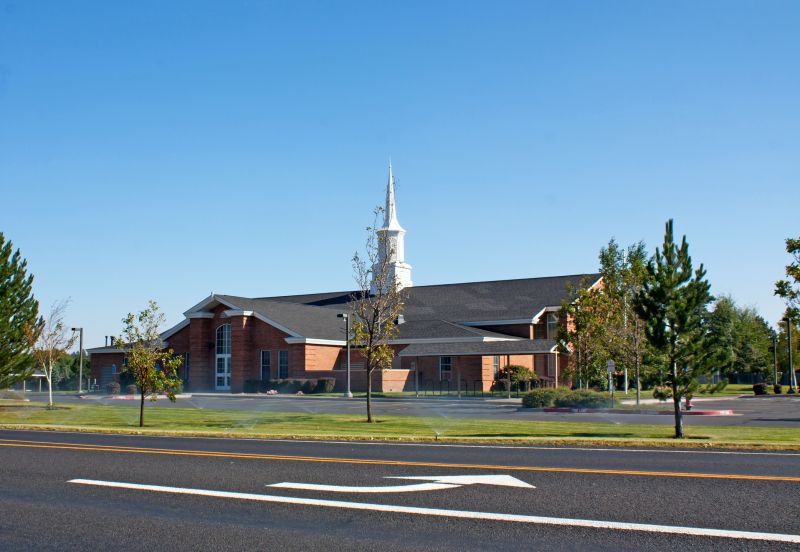
Church Parking Lot Sealcoating Questions
What is sealcoating for a parking lot? Sealcoating is a protective layer applied to asphalt surfaces to prevent damage from weather, oils, and UV rays.
How often should a church parking lot be sealcoated? Typically, parking lots should be sealcoated every 2 to 3 years to maintain durability and appearance.
What types of parking lot projects benefit from sealcoating? Sealcoating is ideal for large asphalt areas like church parking lots, driveways, and other paved surfaces needing protection.
What should property owners know before scheduling sealcoating? Ensure the surface is clean and free of debris for proper adhesion and long-lasting results.
Request Church Parking Lot Sealcoating in Denver, CO
Use the quote form on this page to share the basics of your project and request more information for the type of work you need.